
What Is a Widebody Kit? A Plain-English Guide to Wide Arches and Wider Wheels
A widebody kit widens a car's arches so wider wheels and tires will fit. Here's what is in one, what gets cut, and how to tell if a wide build suits your car.
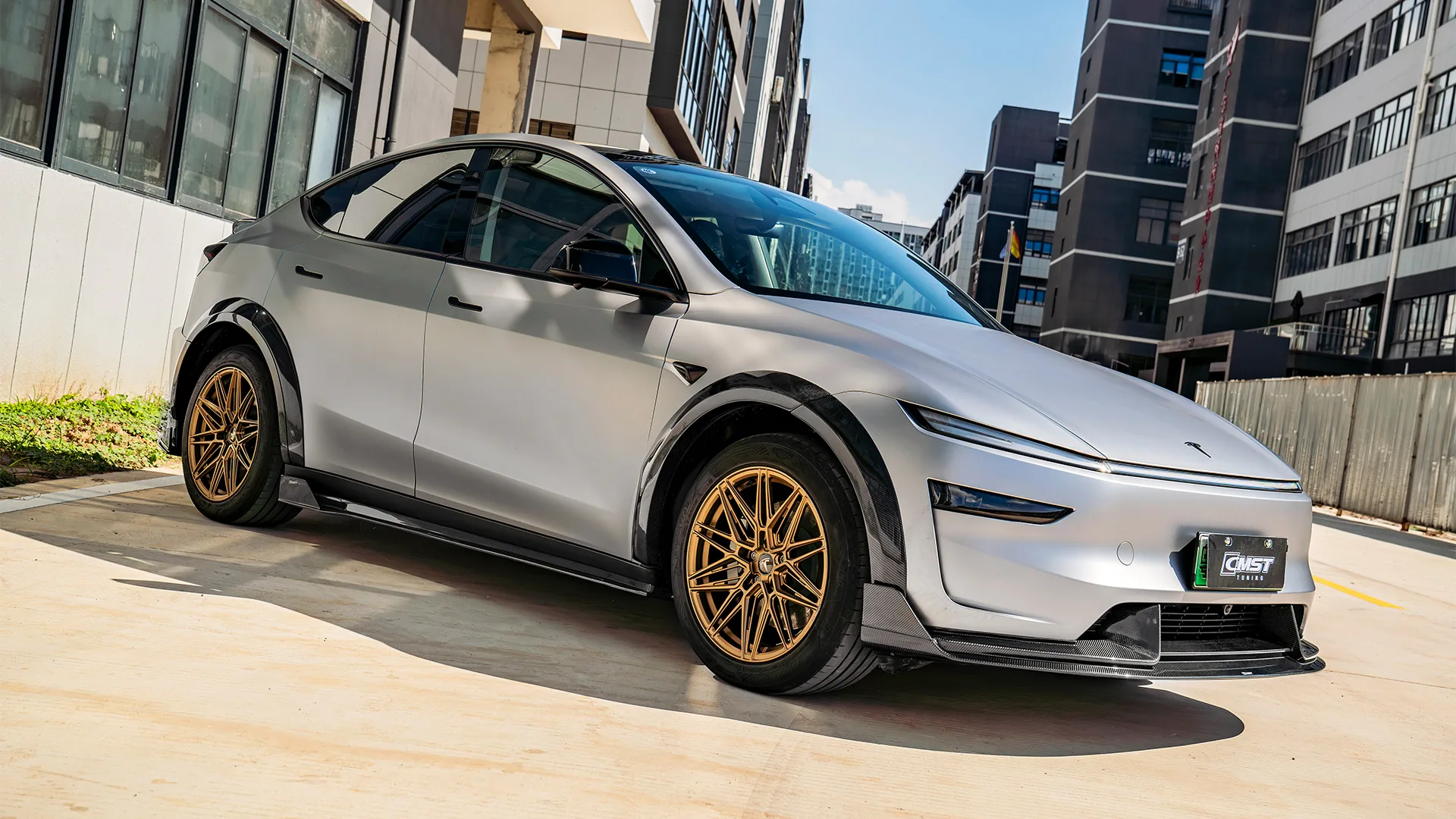
A widebody kit is a set of body panels that physically widens a car's arches so that wider wheels and tires will fit. It is not an angrier version of a body kit and it is not a styling pack. The arches move outward, the track gets wider, and on most cars the original fender metal is cut, rolled or replaced to make room — which is why the change is often there to stay.
That one sentence explains almost everything else about wide builds: the parts list, the bill, the paperwork, and why a wide car feels different to drive. This guide walks through all of it without the sales pitch.
What a Widebody Kit Actually Is
Start with the panel that does the work: the arch. A car leaves the factory with fenders sized around the wheels it was built with, and there is usually very little clearance left over. Fit a wider wheel and tire and something has to give — either the wheel stays inside, or the body moves out.
A widebody kit moves the body out. That can be done in two very different ways, and the trade press uses a confusing set of names for both.
Overfenders and wide fenders: the two families
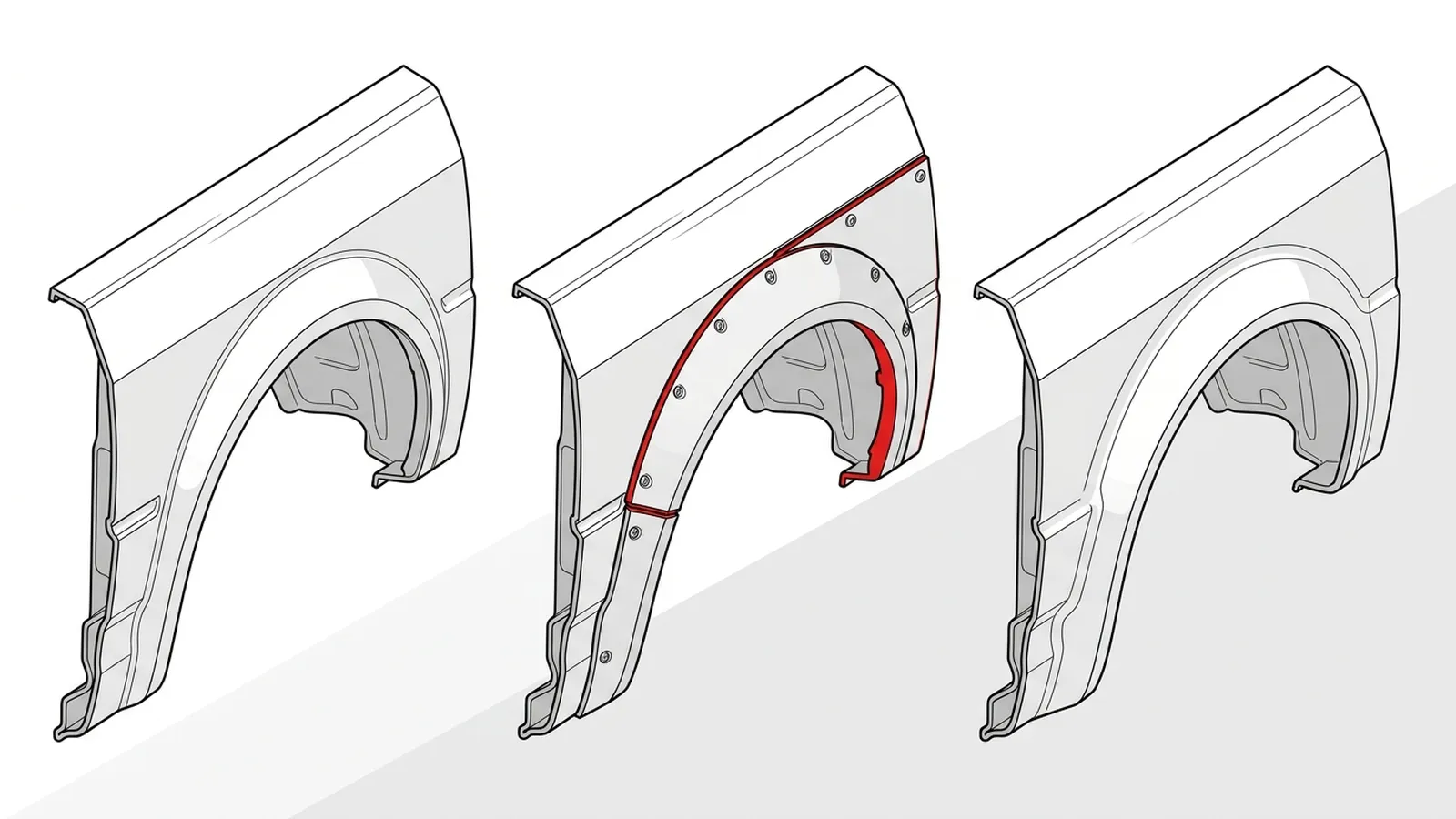
Overfenders (also sold as bolt-on arches, arch extensions or rivet-on flares) are shells that sit over your existing fender. They are fixed with rivets, bolts or structural adhesive, and the fasteners are usually left visible because that industrial look is part of the style. The panel underneath often stays intact.
Wide fenders replace the original panel, or cut the rear quarter and bond a wider skin over the opening. The result is flush, with no visible seams, and it reads as a factory option rather than an add-on.
The distinction matters for two practical reasons. Overfenders are cheaper, faster to fit, and can be removed; molded conversions are permanent and cost real bodywork. And both routes can still need a cut: even a bolt-on arch often requires trimming the inner lip or the liner behind it so the tire does not catch at full steering lock.
One more naming note, because it trips people up on parts lists: "flare" and "overfender" describe the same idea from two directions — one widens the visible arch, the other covers what is already there. The technical difference between the two approaches, and which one suits which build, is covered in more depth in our comparison of overfenders and bolt-on flares. If you want the wider picture first — cost, materials, legality — our widebody guide collects the whole series in one place.
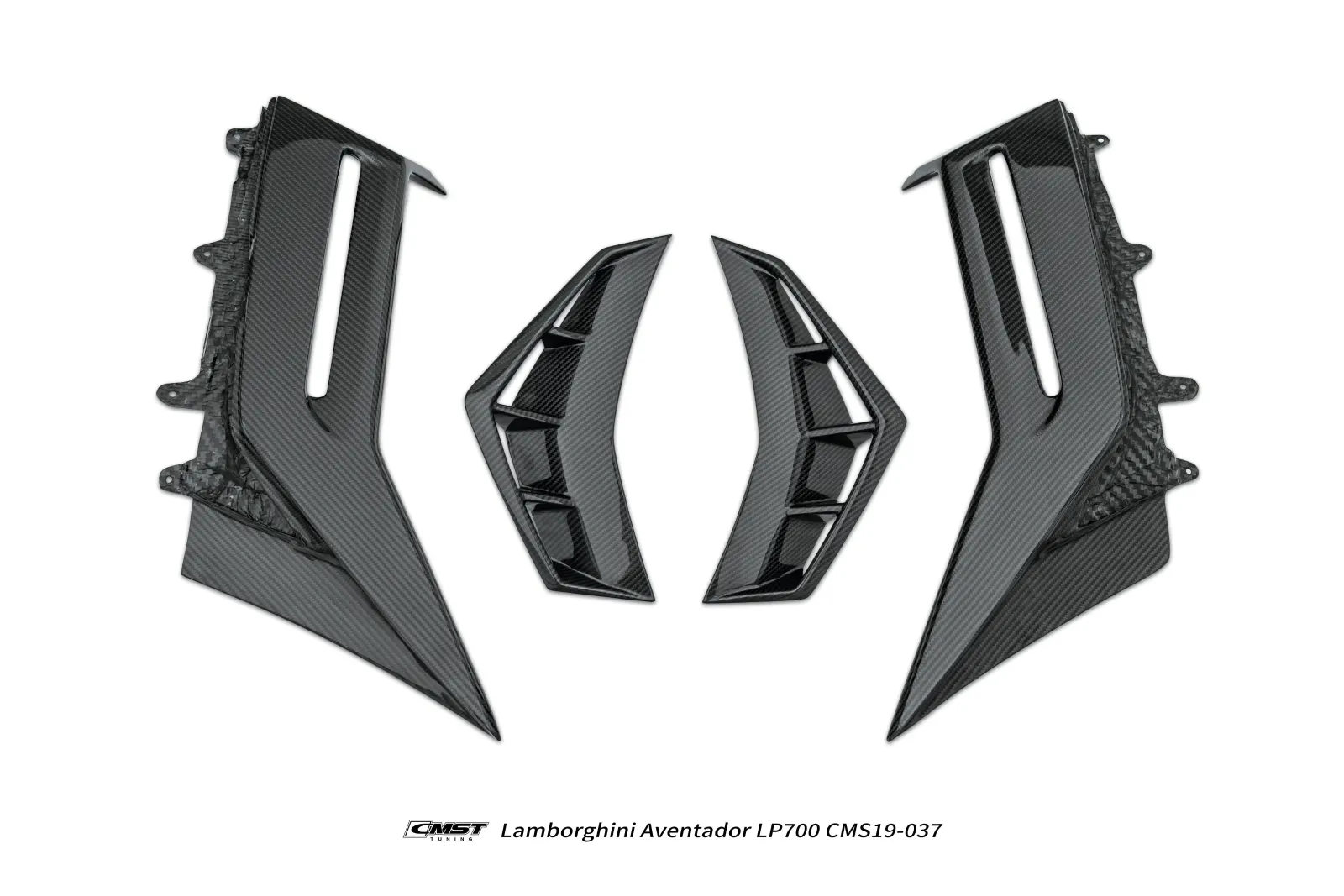
The widening is a physical part, not a paint effect: a molded carbon arch and vent set before fitting.
What Is Actually in the Box
Parts lists vary, but most widebody sets are built from the same short list. The table below separates what makes a kit wide from what makes it a kit.
Part | What it does | Widebody-only? |
|---|---|---|
Arch extensions / overfenders | The widening itself — the extra clearance for the wheel | Yes |
Front and rear bumper shells | Redrawn to meet the new arch line, with wider air openings | Usually replaced |
Side skirts | Tie the sill line together and close off airflow along the floor | No |
Front lip or splitter | Shapes airflow at the nose and trims the bumper's lower edge | No |
Rear diffuser | Manages the air leaving under the back of the car | No |
Wing or spoiler | Adds rear downforce and, on most street builds, presence | No |
Canards | Small dive planes that trim front lift | No |
Hardware, seals, fitting notes | The parts that decide whether the first test fit goes well | No |
Read that table again and a common marketing problem becomes obvious: plenty of kits sold as "widebody" are a standard set of bumpers and skirts with a shallow arch trim added. They look wider without changing what the car can swallow. A genuine conversion changes the arches, and the rest of the kit is there to make the new width look intentional. A standard body kit is the honest comparison point — same idea, one dimension short.
Why Cars Get Widened: Track Width, Grip and Fitment
The point of all this metal is contact patch. A wider tire puts more rubber on the road, and that is where lateral grip and traction come from. Everything else is plumbing.
Getting there is a fitment problem, and it is car-specific. Two numbers decide where a wheel sits: offset (how far the mounting face is from the wheel's centreline) and backspacing (how far in the wheel reaches). Push a wide wheel outboard on factory arches and the tire shoulder meets the fender lip under compression, or the inner edge rubs the liner at full lock. Reducing offset can look like it solves this, but it also increases scrub radius, which changes steering feel and loads the bearings.
Widen the arches and both problems get room. The wheels then sit further out, track width grows, and the car carries more grip through a corner before the outside tire gives up. The trade is that the geometry has moved: camber, toe, spring rates and bump travel all need revisiting for the new track, and a wider front track usually means heavier steering. None of this is guesswork you can do from a catalogue — it is measured on the car. That is the whole reason a mold should not be signed off before the parts have been trial-fitted on a real vehicle, which is how each kit is trial-fitted before production.
The tires have a legal edge to this too. Wider rubber still has to carry the car's load and match its speed rating, and the tire is the component the vehicle's safety system depends on most — the ratings and registration rules are set out by NHTSA. A wide build that ignores the load index is a downgrade wearing expensive shoes.
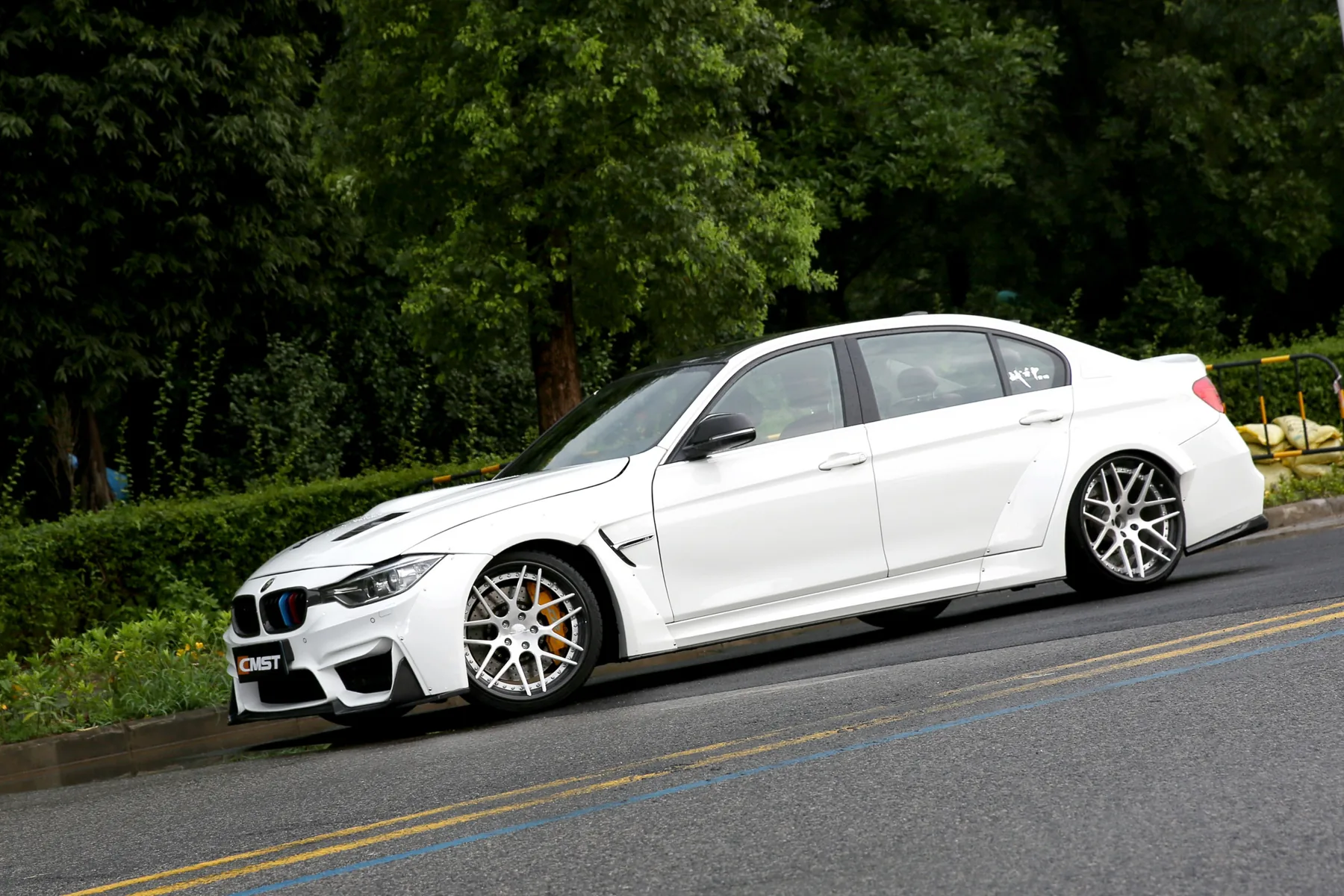
Track width, made visible: the arches moved out so the wheels could follow, and everything else in the build follows from that pair of changes.
Does a Widebody Kit Affect Performance?
Honestly? Less than the photos suggest, and not in the direction most buyers expect. Three effects actually matter.
The grip comes from the wheel, not the panel. A widebody kit gives you the room; the tire gives you the traction. Fit arches and keep a stock-width wheel and you have added weight and drag without adding grip. This is the single most common way a wide build ends up slower than it started.
Drag goes up. A wider body presents more frontal area to the air, and drag force rises with frontal area and with the square of speed, as NASA's aerodynamics primer sets out — the same relationship a drag coefficient makes explicit. At city speeds you would never feel it. At track speeds, or on an electric car where range is displayed on the dash, you will. The exception is an arch that is shaped rather than decorative: vents behind the wheel let the high-pressure air out of the arch, and that is why racing arches are louvred while street copies often are not.
Mass moved to the wrong place. Bigger wheels, tires and arch pieces are mostly unsprung mass — the mass the springs and dampers have to control, which sits below the suspension rather than on top of it (what unsprung mass does). More of it costs ride quality and grip over broken surfaces, and the rotating weight of a heavy wheel set costs acceleration. A wide wheel that is also a heavy wheel is a double loss.
One number worth keeping in mind: none of these effects scale with how wide the car looks. They scale with the wheel and tire you choose, the total mass you add, and the shape of the air openings.
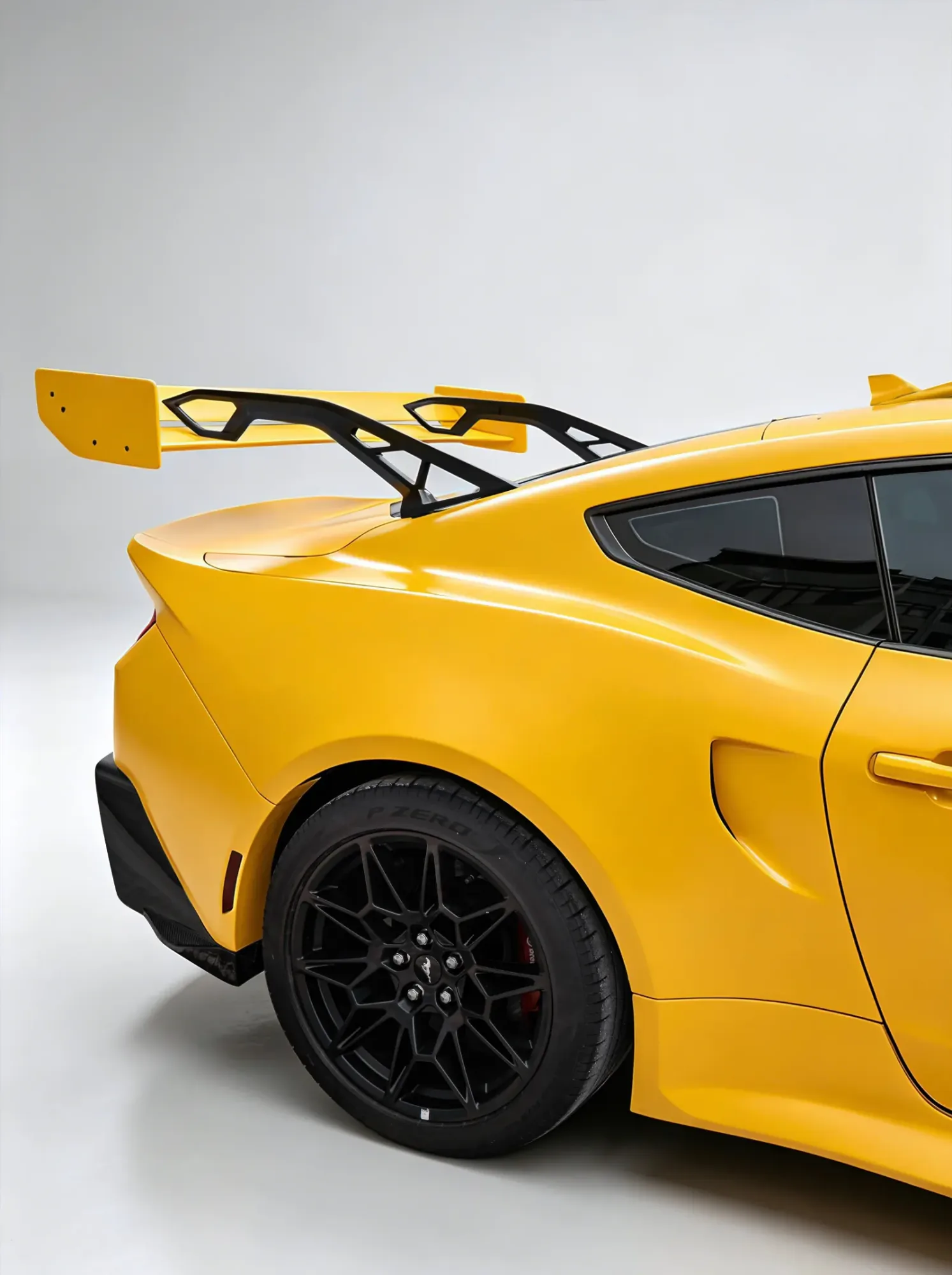
What the conversion buys: an arch with room behind it, air vents that let the arch breathe, and a rear wing shaping the flow the wider body just disturbed.
What Gets Cut — and Why It Usually Does Not Come Back
Here is the part that separates a wide build from a weekend project. To clear a wider wheel on a car with factory arches, the arch metal generally has to be cut, rolled or replaced. Once that has happened, the car is no longer a factory-bodied car, and a future owner will know.
The cut edge needs finishing properly. Bare steel at a cut arch rusts, and it rusts from the inside where you cannot see it. A properly finished arch gets the edge ground, primed and sealed before the new panel covers it. Skip that step and the failure shows up a season or two later, under a panel that now has to come off.
Paint is not an afterthought. A molded conversion ends up in a paint booth. Body-color matching across a bumper, two arches and a quarter panel is a skill, and the cost of prep, paint and finishing is frequently larger than the cost of the panels themselves. If the plan was "buy the kit and fit it," the plan was short by a booth and several days.
The paperwork changes too. Modified bodywork has to be declared, and rules differ by market. In the UK, structural changes are among the things you must tell the registration authority about, as the vehicle registration guidance spells out. Elsewhere it may be an inspection, an approval, or nothing at all. Check the rules where the car is registered, and expect an insurer to want to know as well — a cut body can move a policy from standard to specialist, and it narrows the resale market whatever the workmanship.
Then there is the daily reality. A wider car is harder to park, dislikes kerbs and ramps, and can turn in a wider arc than it did. That is not a fault; it is the geometry you asked for.
The money question deserves a straight answer: a widebody build costs far more than the parts list, because wheels, tires, paint, finishing, alignment and freight for oversized panels all land on the same invoice. Parts are quoted by grade and by what is in the kit, and no serious supplier publishes a single price for a project this shape, because the wheel and paint half of it has nothing to do with them.
One Kit, More Than One Material
Walk through a widebody order and you notice something the parts catalogues hide: the same arch mold usually serves more than one material, and most builds mix them.
Grade | How it arrives | Where it earns its place |
|---|---|---|
Dry carbon | Finished twill or forged weave, no paint needed | Parts left bare: lips, canards, diffusers |
High-temperature vacuum carbon | Gloss clear coat over a carbon surface | The carbon look at a volume price, on any part |
FRP (glass fiber) | Primed and paint-ready | Large shells and arch sets going body color |
ABS | Molded gloss or matte black | Volume kits with no paint step |
PP | Molded, heaviest and the most impact tolerant | Parts that take stone chips and kerb contact |
The logic behind the split is weight versus visibility. Carbon earns its higher price where stiffness per kilogram is doing real work on a part you can see and lift, and carbon fiber's advantage is stiffness and low mass rather than raw strength — a distinction well covered in CompositesWorld's materials coverage. On a large bumper shell that will be painted body color anyway, the same money buys weight nobody will notice. So the common specification is a painted FRP shell with bare carbon on the lip, canards and diffuser: expensive material exactly where a buyer can see it, FRP where they cannot.
If you want to see how those grades compare on paper, and how they are specified for a given part, our material grades explained page sets out the five side by side — and the arch sets themselves, where the grade choice changes the most, sit under carbon fiber arch sets. One kit, two or three grades inside it, is normal rather than a cost-cutting compromise.
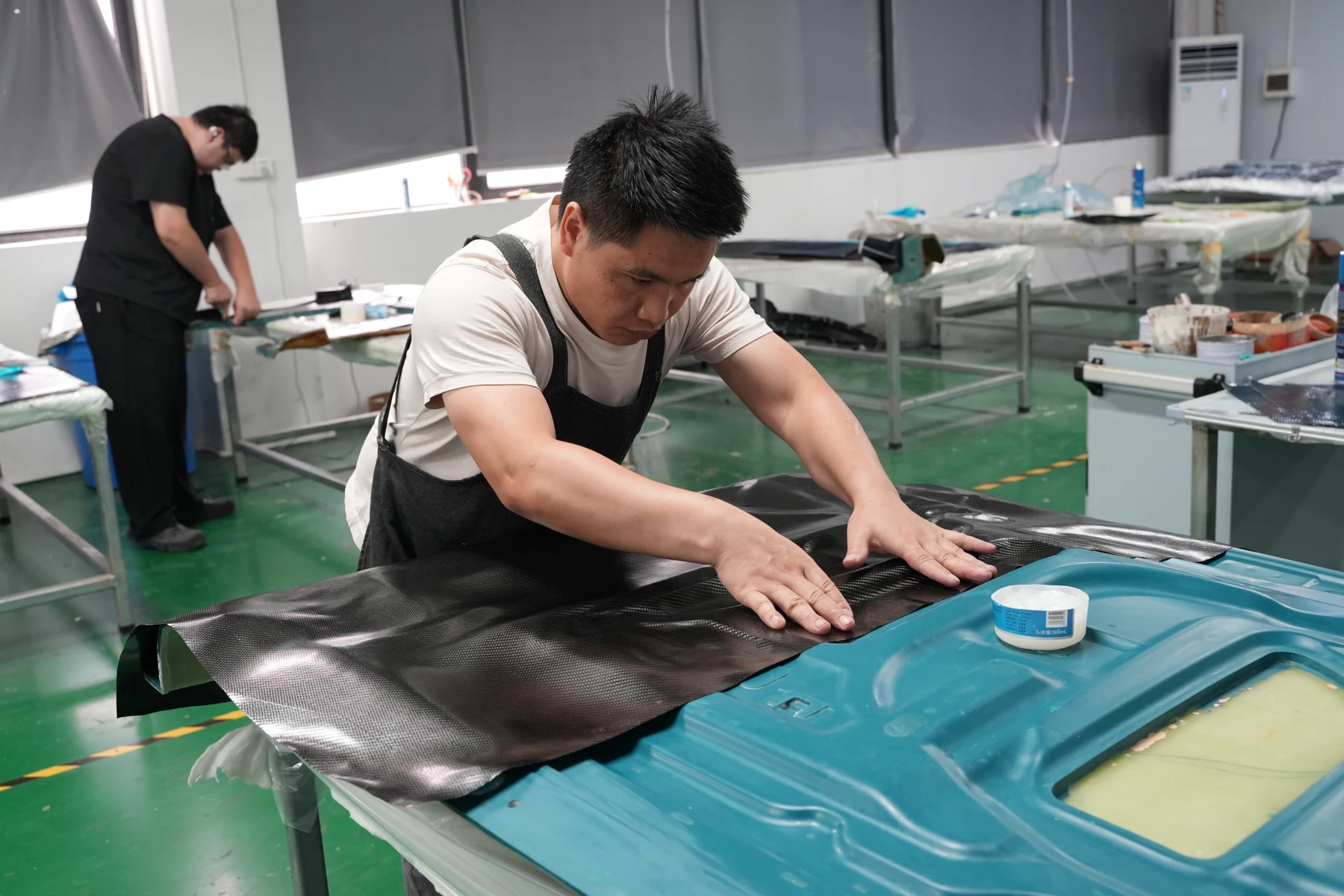
Cutting, laying and bagging are hand work: the grade is set during layup, long before anyone sees a finish.
Three Questions Before You Order
Skip the wish list for a moment. Three questions decide most widebody projects, and they are easier to answer than the internet suggests.
What will the car do? If it is a street car for shows and weekends, an arch trim, a lip and the right wheels may give you everything you actually wanted. If the car sees track days, drift events or a show calendar where the width is the point, a proper conversion earns its cost.
Will you cut and repaint factory metal? No — take the overfender route and accept visible fastenings, or stop at stretched arches. Yes — plan the conversion as bodywork, not as a parts swap, and budget the paint booth and the finishing time.
Are the wheels, tires and alignment already decided? If not, stage the build. Do wheels, tires and suspension geometry first, run the car, and decide about the body once you know what the setup actually feels like. Plenty of projects die because the body was bought before the setup was understood.
If your model has no mold yet, that is a development conversation rather than a fitment problem — it starts with the car, the intended wheel and tire size, and a trial fit.
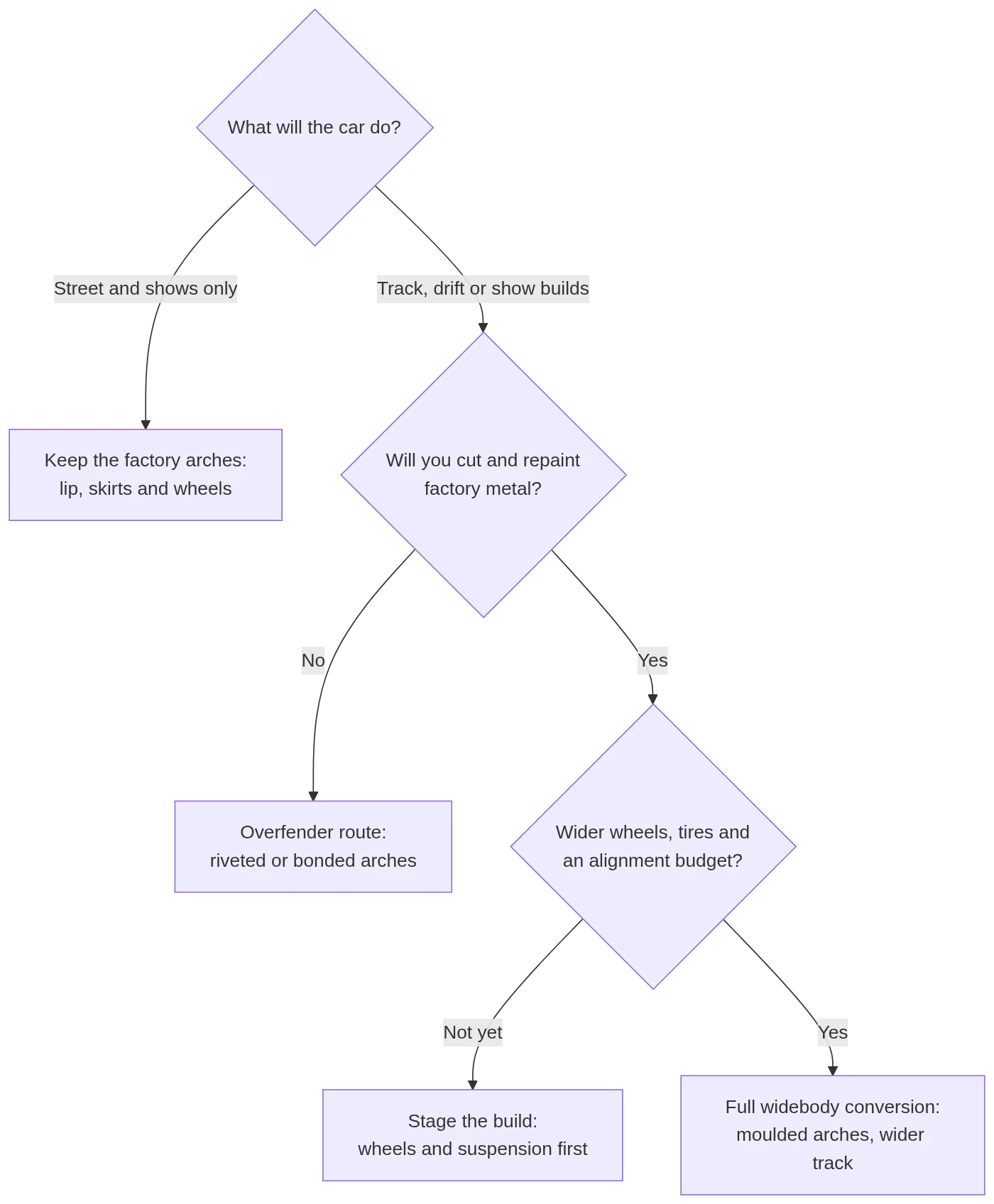
Three questions sort most builds: what the car does, whether you will cut, and whether the wheel and alignment budget is in place.
FAQ
Is a widebody kit the same as a body kit?
No. A body kit changes how the car looks; a widebody kit changes how much car there is at the corners and what wheel will fit underneath. Kits are sold as "widebody" that only add arch trim, and it is worth asking what the conversion does to the body itself before you compare prices.
Do you have to cut the car to fit one?
Not always, but usually for a real conversion. Bolt-on overfenders can be fitted over intact metal, and that is the reversible end of the market. Even there, the arch liner and inner lip may need trimming so nothing catches at full lock, and a molded conversion always involves cutting or replacing panels.
Can you fit a widebody kit yourself?
A bolt-on arch set is a realistic home job for someone with tools, time and patience. A molded conversion is not, and pretending otherwise is how projects stall for a year. Cutting, bonding, sealing, paint matching and a four-wheel alignment after the geometry changes are shop work, and the finish is the half people underestimate.
Does a widebody kit need new wheels?
If the goal is more grip, yes. The extra clearance exists to fit a wider wheel and tire, and that is where the grip and the look both come from. Fit arches and keep stock-width wheels and you keep the cost, the weight and the drag while skipping the benefit.
Is a widebody kit legal on the road?
It depends where the car is registered, and the answer is never "yes, always." Bodywork and dimension changes typically have to be declared and may need an inspection or approval, and insurers normally want to be told. Check the rules that apply to your vehicle and market: regulated markets will ask for documentation, and no supplier can pre-approve a build for every jurisdiction.
Where This Leaves You
A widebody kit is a bodywork decision dressed up as a styling one. The arches move, the wheels follow, and the car comes back wider, heavier and harder to park than it was — better looking if the build is planned, worse to live with if it is not. Decide what the car is for, decide whether you will cut it, and decide the wheel and tire package before you order anything. If you want to see how a factory quotes this work — by grade, by part and by what the kit includes — the CMST widebody kit range is the place to start.
Next step
Send the vehicle, the parts you are considering and the finish you want — we reply with fitment notes and a quote.
Send an inquiryKeep reading
Related notes
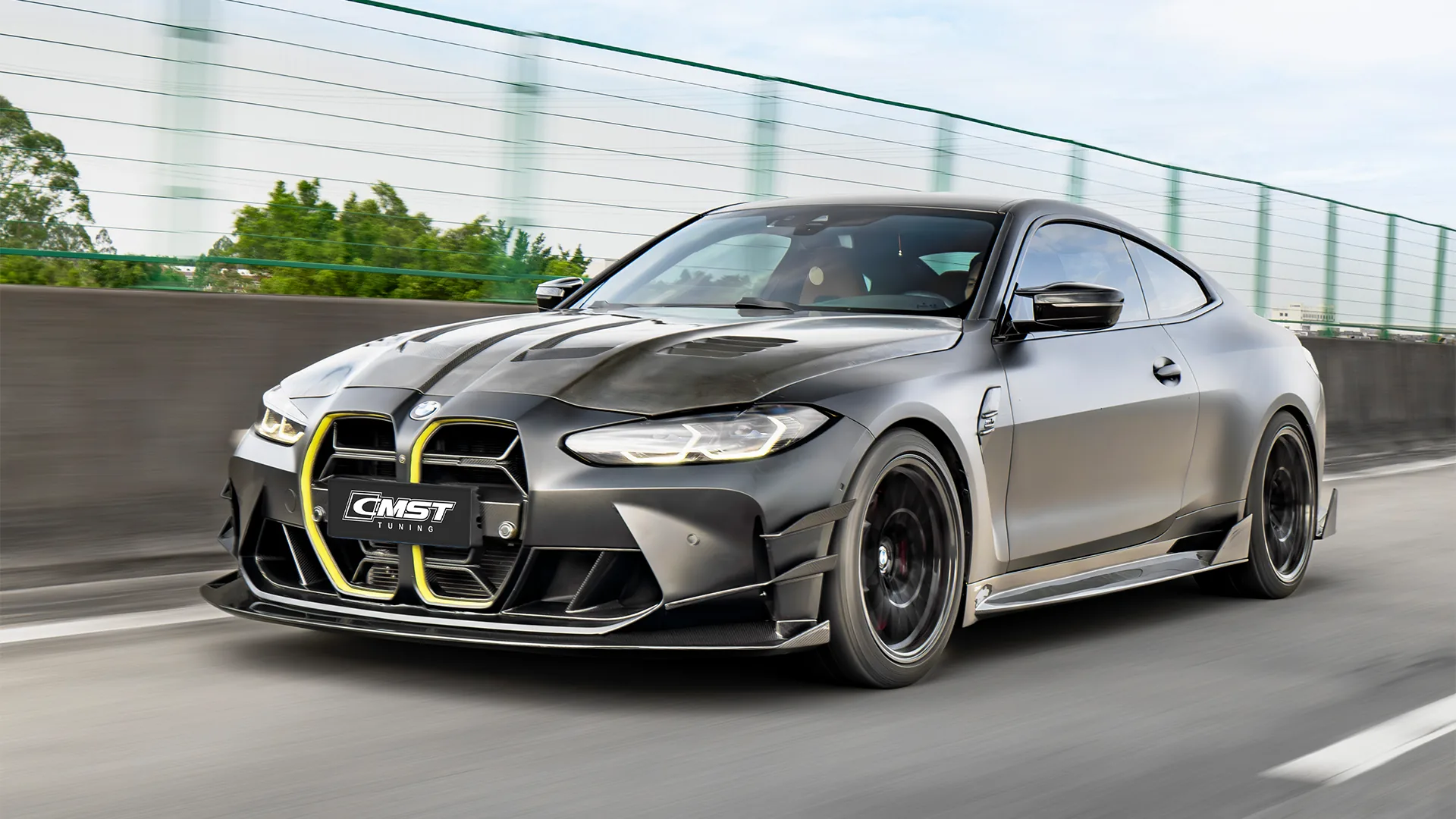
BMW M4 Widebody Kits (G82): A Buyer's Guide
Going wide on a G82 M4 is bodywork, not styling. What a widebody kit contains, what gets cut, what it costs, and the four decisions to settle before you order.
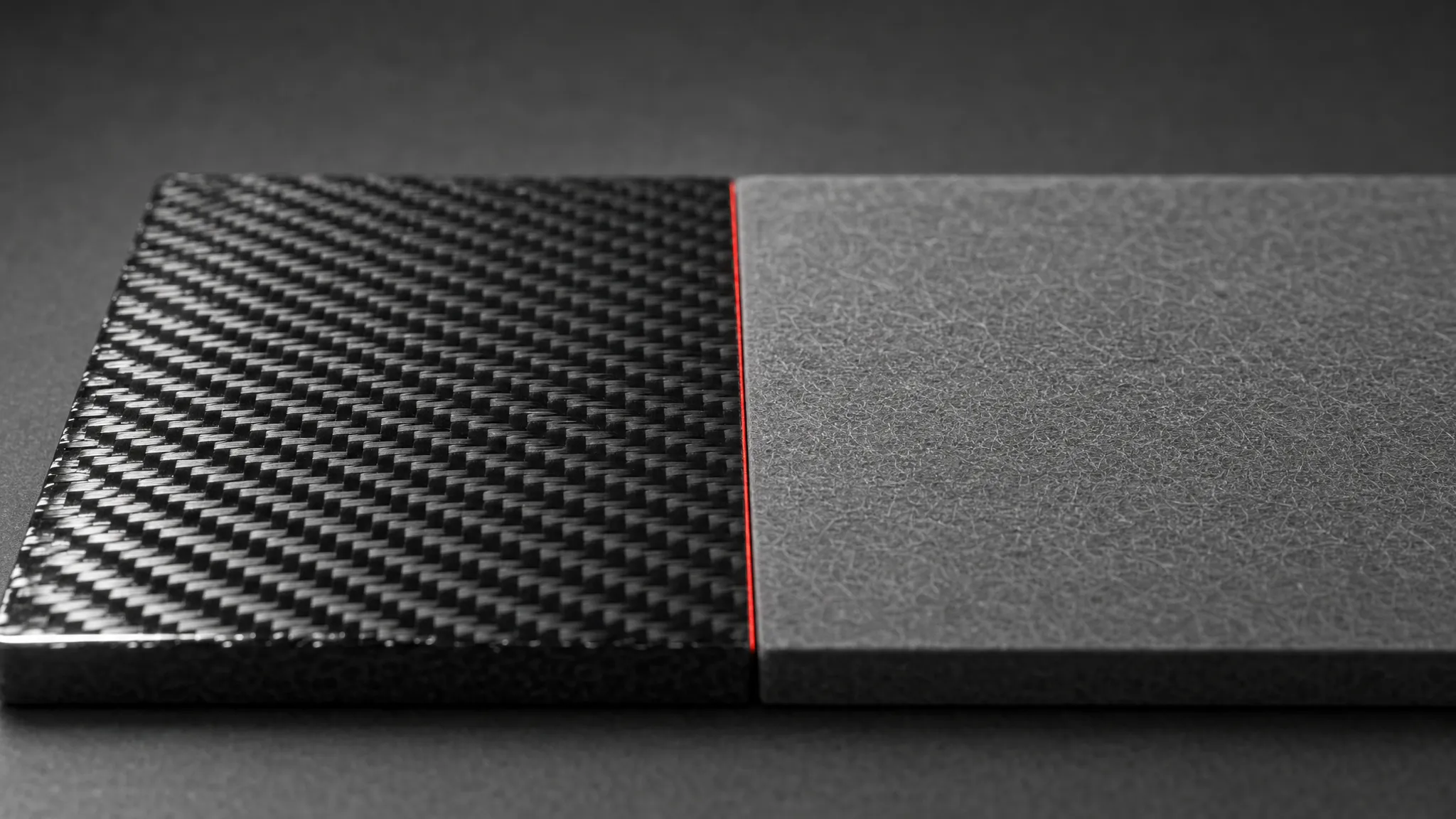
Carbon Fiber vs Fiberglass Body Kits
Carbon fiber or fiberglass for a body kit? Part by part: carbon earns its price on hoods, wings and diffusers; FRP and molded plastic win on bumpers and arches.
Overfenders vs Fender Flares: Which Fits?
Overfenders and fender flares are one part under two names. What each term means, the three ways to cover a wider wheel, and how to measure before you buy.